
 EN
EN

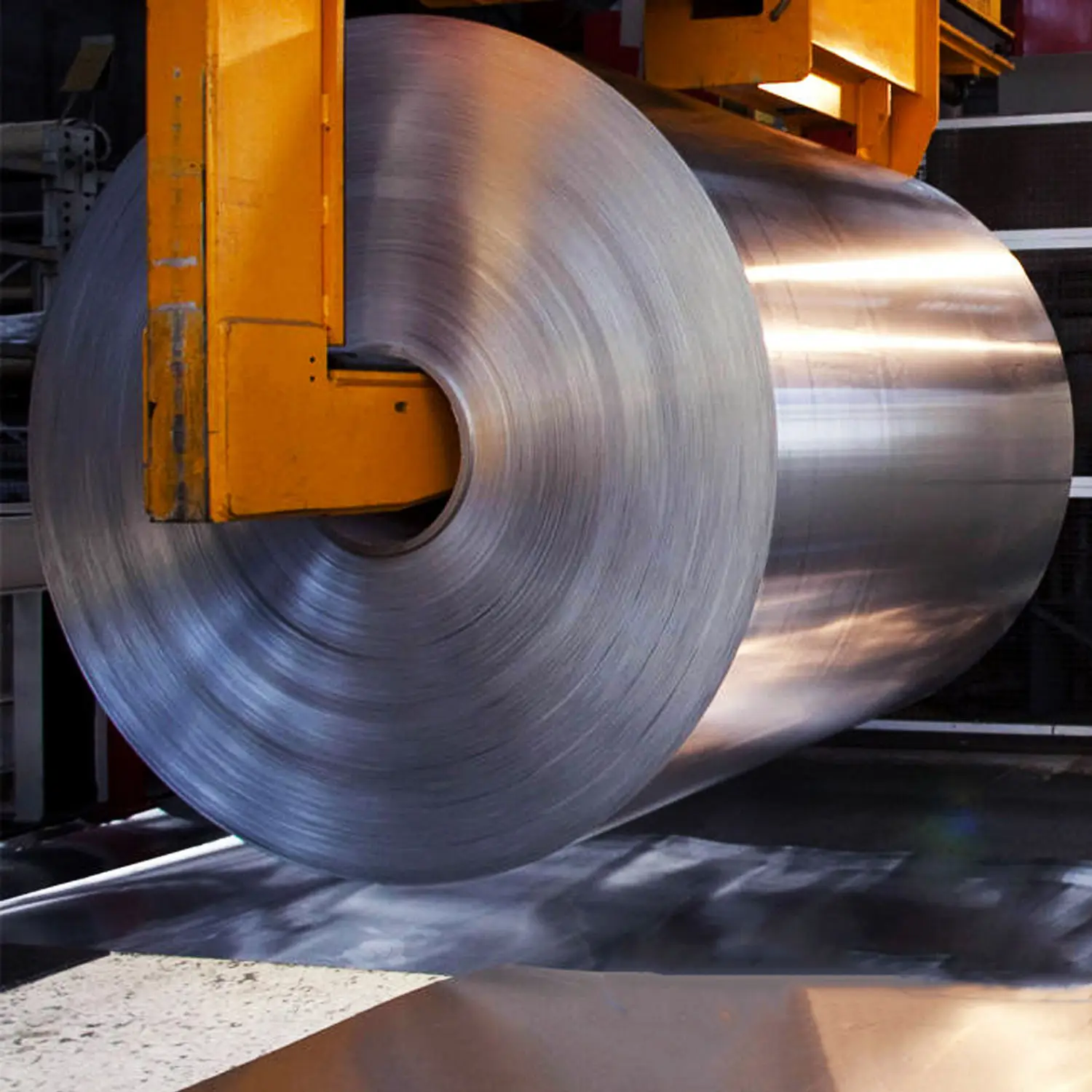
Advanced Material Innovations in Aluminum Sheet Technology
High-Strength Aluminum Alloys for Lightweight Packaging
Strong aluminum alloys bring some serious benefits when it comes to making lighter packages. What makes these materials stand out is how they cut down on weight without sacrificing strength, which is why many manufacturers turn to them for packaging needs across different sectors. The numbers back this up too aluminum can shave off around 30% in weight compared to older materials, which means easier handling during transport and less strain on the environment overall. Take a look at what's happening in car manufacturing and aircraft production right now these fields are starting to embrace aluminum more and more because it helps boost efficiency while keeping things robust. Plus, aluminum doesn't just save space it actually stands up better against wear and tear plus resists rust much better than other options available today.
Corrosion-Resistant Coatings for Extended Shelf Life
The ability of aluminum packaging to resist corrosion plays a big role in keeping it intact over time, especially important in industries like food and medicine where how long products last on shelves matters a lot. When packages corrode, companies lose money. Look at the drug industry - some studies suggest around 15 percent of lost products come from poor packaging protection. New coating tech has changed things though. Nano coatings and those special anodized layers act as pretty good shields against stuff in the environment. This means longer shelf lives for products and meets what regulators expect these days. What's great about these coatings is they keep packaging clean while protecting whatever's inside. Better packaging means better product quality overall and less waste ending up in landfills.
Nano-Layered Barrier Films for Enhanced Protection
Nano layered barrier films represent a game changer for aluminum sheet tech, significantly boosting protection against oxygen and moisture damage. What makes these films work so well? They form super thin layers that act like shields, stopping harmful elements from getting through to what needs protecting. Research shows shelf life gets extended around 40% when using this tech, which explains why food processors and drug manufacturers rely on it so heavily. For companies dealing with things that spoil easily or lose potency over time, these films offer real value. Products stay fresh longer during shipping and while sitting on store shelves, something that matters a lot in sectors like healthcare and gourmet foods where quality control is non negotiable.
Sustainable Manufacturing Processes for Aluminum Packaging
Energy-Efficient Rolling and Forming Techniques
New rolling and forming approaches for aluminum packaging are changing how things get made in the industry. Recent advancements aim to cut down on power needs without compromising the final product's integrity. What makes these techniques so appealing? They actually save quite a bit of energy, which means fewer greenhouse gases released during production. Research has shown some plants cutting their energy bills by around 20% when switching from traditional methods. This matches what we're seeing across the sector as companies try to become greener. As regulations tighten and consumers demand cleaner products, factory owners have little choice but to implement these efficiency measures if they want to stay competitive in today's market for aluminum packaging.
Closed-Loop Recycling Systems in Sheet Production
The closed loop recycling systems used in making aluminum sheets are really important for green manufacturing practices. What these systems do is take old aluminum products and put them right back into the production process, which saves raw materials and cuts down on waste generation. According to recent data from the industry, some operations actually manage to recycle over three quarters of their aluminum stock, which makes a real difference when it comes to preserving natural resources. Take Novelis for instance they've been running their own closed loop system for years now and have seen both lower environmental impact and savings on their bottom line. When manufacturers adopt these kinds of recycling methods, they're not just following trends but actually transforming how aluminum gets made, cutting reliance on virgin materials while boosting overall plant efficiency at the same time.
Low-Carbon Aluminum Smelting Innovations
Innovations in low carbon aluminum smelting play a big role in cutting down the environmental impact of making aluminum. The new approaches significantly cut back on greenhouse gases because they bring in better tech during the actual smelting process. Take inert anodes for instance. When companies swap out traditional carbon anodes for these inert ones, some studies suggest emissions could drop around 80%. Big names in the business such as Alcoa and Rio Tinto have started adopting this kind of technology, which means the whole aluminum sector is slowly getting greener. Beyond just meeting international environmental regulations, there's actually growing consumer interest in what people call "green" aluminum products. That market pull is pushing manufacturers to keep looking for ways to make their operations more sustainable over time.
Smart Packaging Integration with Aluminum Sheets
Embedded Sensor Technologies for Quality Monitoring
Smart packaging relies heavily on embedded sensors to track things like temperature changes and moisture levels. These little devices send live updates so companies can keep products stored properly no matter what they're shipping. Take aluminum containers for example - when temperatures start to swing outside safe ranges, the sensors inside will actually notify both factory folks and delivery teams about potential problems before anything goes bad with food items or other sensitive materials. According to research from the Food Packaging Forum, this kind of tech cuts down waste pretty dramatically while making sure everything stays safe for consumers. We've seen more and more producers jump on board with these smart monitoring solutions lately, mainly because they want to protect their brand reputation and meet those strict quality control requirements across different markets.
Active Oxygen-Scavenging Aluminum Layers
Aluminum layers that actively scavenge oxygen play a key role in keeping products fresh because they reduce contact with oxygen inside packaging materials. These kinds of technologies really help stretch out how long oxygen sensitive stuff stays good, think about things like medicines or perishable foods. A research paper from the Journal of Packaging Tech showed that when packages include these oxygen scavengers, some products last around 30 percent longer than usual. We're seeing this happen fast across different sectors too. The food drink business definitely jumped on board first, but now even pharma companies and electronic manufacturers are starting to adopt similar approaches for their packaging needs. This helps maintain what's called product integrity while also making sure goods stay usable for much longer periods.
Intelligent Heat-Sealing Solutions
Smart heat sealing tech really boosts how well aluminum packages hold up, mainly because it creates much better quality seals that last longer. The process works by controlling temperatures very precisely during sealing, which results in stronger bonds that resist contamination issues. According to research published in the International Journal of Industrial Engineering, companies implementing this kind of sealing saw over 25% fewer packaging problems. We've seen these systems work wonders across different industries too. For instance, both car manufacturers and aircraft builders have adopted them for their critical components where failure isn't an option. Major players in the field regularly share stories about how switching to intelligent heat sealing cut down on those annoying package leaks while making products safer overall. Some even report unexpected benefits like reduced waste and lower long term costs despite higher initial investments.
Cross-Industry Applications of Modern Aluminum Sheets
Pharmaceutical Blister Pack Advancements
Recent developments in aluminum sheet technology have really transformed how we package medicines, especially those little blister packs people recognize so well. What makes this material stand out is its ability to protect what's inside better than most alternatives. Aluminum acts as a natural shield against things like sunlight, damp air, and oxygen that can ruin medication over time. This matters because nobody wants their pills losing effectiveness just sitting on a shelf. When it comes to regulations, there's no room for error either. Pharmaceutical companies need to meet strict requirements for safe packaging, something aluminum helps them achieve consistently. Manufacturers report fewer quality issues since switching to modern aluminum solutions, which means patients get safer products without compromising on convenience or appearance.

Retortable Aluminum Pouches for Ready Meals
Retortable aluminum pouches are changing how we package ready meals for good reason. What makes them special? Well, they can handle all those high temps needed for sterilization without falling apart. This means food stays fresh longer on store shelves and helps cut down on wasted products. The metal itself acts like a shield against things that spoil food stuffs light exposure, dampness, even tiny bits of dirt getting in there. We've seen some great examples recently too take those curry and stew packages that just need heating up. People love these because they keep their taste and texture after sitting around for months yet still feel like something worth eating when finally opened. Makes sense really most folks want something quick but not at the expense of quality anymore.
Aerospace-Inspired Structural Designs
The principles behind aerospace design are finding their way into all sorts of aluminum sheet applications throughout different industries today. Manufacturers are using these lighter but stronger aluminum materials to boost performance while cutting down on weight significantly. Looking at what happens in aircraft manufacturing, we see around a 15% improvement in efficiency when compared to traditional methods, and the structures remain just as durable. Car makers and builders have started adopting some of these aerospace techniques too, which means consumers get better products made with aluminum. What's interesting is how this crossover isn't just making things stronger structurally, it's actually helping reduce environmental impact since less material gets used overall.